New Freezone Incentives—Up to 30% Fee Reduction for Startup
ADGM Freezone Company Formation
Business Overview
Everything You Need to Know About ADGM Free Zone
What's ADGM?
- ADGM (Abu Dhabi Global Market) is an international financial centre that runs on independent English common law
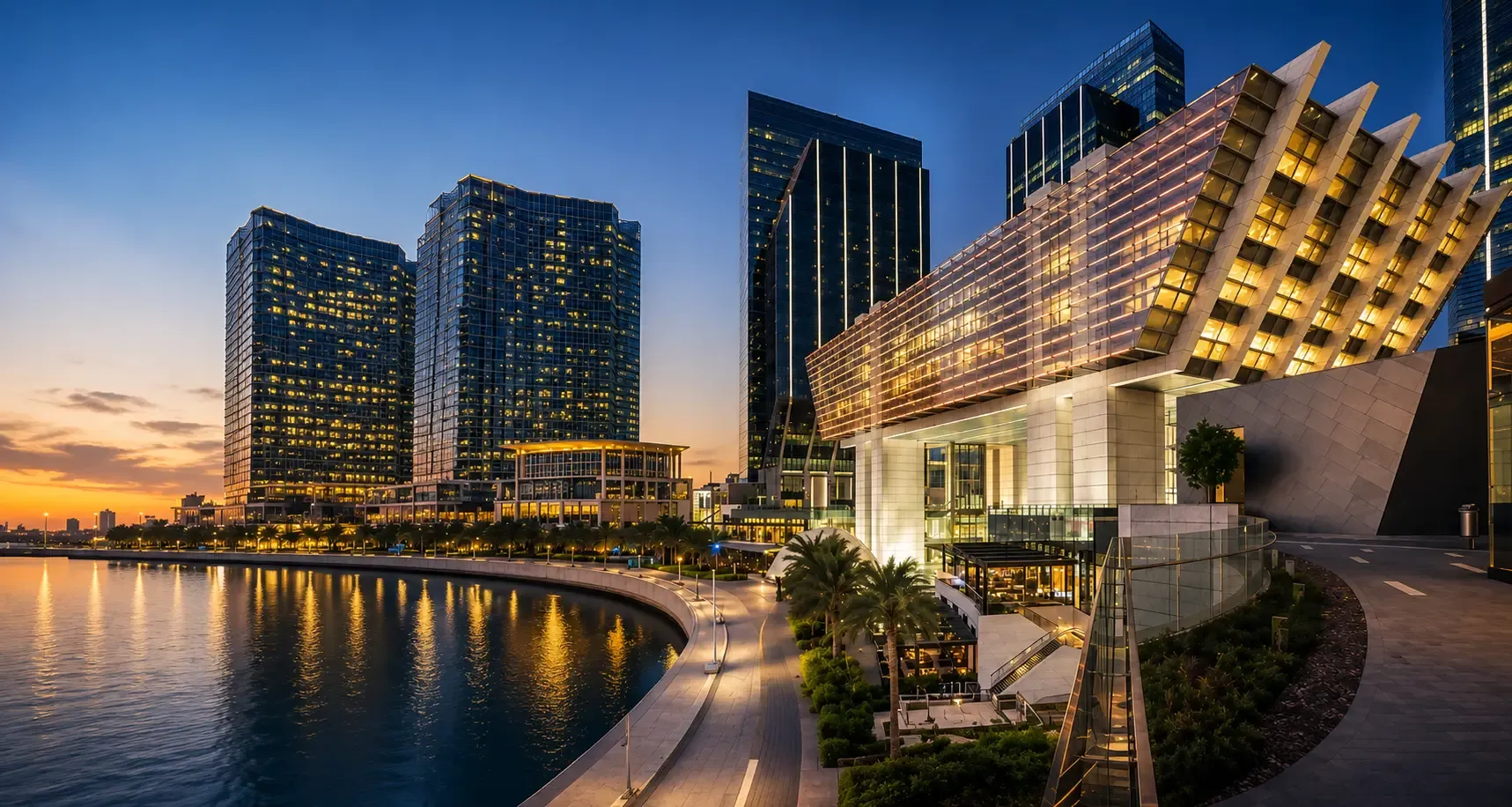
- Spread across Al Maryah Island and Al Reem Island in Abu Dhabi
- Established in 2013 and now home to more than 12,000 licensed businesses.
Who's it for?
- Startups, SMEs, consultants, trading and e-commerce businesses
- Financial firms, fund managers, fintechs, family offices
- Investors from abroad looking to set up holding companies or SPVs
How much capital do you need?
- Most commercial entities don't need a set minimum share capital
- Regulated financial licences are different FSRA sets capital requirements by activity; some arranging licences may start from around USD 10,000.
- SPVs and holding companies don't need any minimum capital either
What kind of business can you run?
- Financial services, non-financial commercial activities, retail trade
- Consulting, trading, tech, holding structures, asset management, fintech all covered
- ADGM freezone activities cover commercial, financial, technology, consulting, trading, and holding company structures
Banking
- You can open corporate accounts with major UAE and international banks
- Banks already present in ADGM include First Abu Dhabi Bank, ADCB, and Emirates NBD
Why businesses choose it
- 100% foreign ownership
- Qualifying income may benefit from a 0% corporate tax rate.
- Move your capital and profits freely full repatriation
- No currency restrictions
Who can apply?
- Anyone any individual or company, any nationality
- No need for a local sponsor or UAE national shareholder
How long does it take?
- A standard commercial licence: 5–10 working days once your documents are complete
- FSRA-regulated financial licences take longer around 2–4 months
What you'll need to submit
- Passport copies of all shareholders and directors
- Proof of a registered office lease (on Al Maryah or Al Reem Island)
- Board resolution, if shareholders are corporate entities
- A business plan plus UBO declaration
- Memorandum and Articles of Association
Freezone Cost Calculator
Estimate Your Setup Cost

Why ADGM?
Why Choose ADGM Free Zone
English Common Law
An independent legal jurisdiction based on English common law, with its own courts separate from onshore UAE civil law.
100% Ownership
Full foreign ownership across all entity types, with no requirement for a local partner or sponsor.
Tax Benefits
0% corporate tax on qualifying income, with full repatriation of capital and profits guaranteed.
Institutional Access
Direct proximity to Abu Dhabi's sovereign wealth funds, family offices, and major financial institutions.
Dual Licensing
Eligible ADGM entities may serve clients in mainland Abu Dhabi without maintaining a separate mainland office.
Regulatory Credibility
Overseen by three independent authorities: the RA, FSRA, and ADGM Courts, trusted by global investors and banks.
License Types
Types of Licenses Offered
Financial Services License
For businesses handling money, investments, or financial risk: banking, asset management, brokerage, payments, and regulated fintech. Requires FSRA authorisation across one of five activity categories.
Commercial License
For non-financial businesses: trading, consulting, technology, media, and professional services. Overseen directly by the Registration Authority with no prudential regulation.
Holding Company License
For entities that own shares, assets, or investments without trading or providing services. Common for group structures and family offices.
Special Purpose Vehicle (SPV) License
A focused holding structure used to isolate assets and execute transactions, popular for real estate holdings, private equity deals, and structured finance.
Tech Startup Licence
A streamlined, discounted track for early-stage founders, with reduced fees and visa allocation tied to desk space.
How It Works
How to Setup a Business in ADGM Freezone
Define Activity & Entity Type
Choose your business activity and legal structure, which determines your licence category and regulator.
Reserve Name & Apply
Submit your trade name reservation and initial application to the Registration Authority.
Submit Documents & Lease
Provide incorporation documents, KYC records, and a registered office lease on Al Maryah or Al Reem Island.
Licence Issuance & Bank Account
Entrepreneurs searching for how to set up a business in ADGM freezone should first confirm the correct licence category, office requirement, and visa eligibility before submitting the Registration Authority application.
Infrastructure
Office and Warehouse Options
Flexi Desk
Shared workspace with meeting room access, based in Al Reem Island's commercial towers. Includes visa allocation tied to desk count. Ideal for startups and consultants. From AED 30,000/year
Office Space
Private furnished or unfurnished offices on Al Maryah Island or Al Reem Island, ranging from small suites to full floors. Visas: 1 per 8 sqm of leased space
Warehousing & Logistics
Storage and light industrial space arranged through Abu Dhabi's wider logistics network for trading and e-commerce businesses. Visas: Based on operational need
Compliance
Annual Renewal & Compliance
Have Question?
Frequently Asked Questions About ADGM Free Zone

Grow Your Business With Tailored Free Zone Business Packages
Explore More
Explore Similar Free Zones
Masdar Free Zone
A future-focused business hub supporting innovation, sustainability, consulting, and technology-driven ventures with modern infrastructure.
- From AED 7,000
- Setup in as little as 5 days
- Up to 6 visas
