New Freezone Incentives—Up to 30% Fee Reduction for Startup
DAFZA Company Formation in Dubai
3,400+
Registered Companies
20+
Business Sectors
1996
Established
Quick Overview
Everything You Need to Know About DAFZA Freezone
What is DAFZA Freezone?
- One of the UAE's most established and internationally recognized free zones
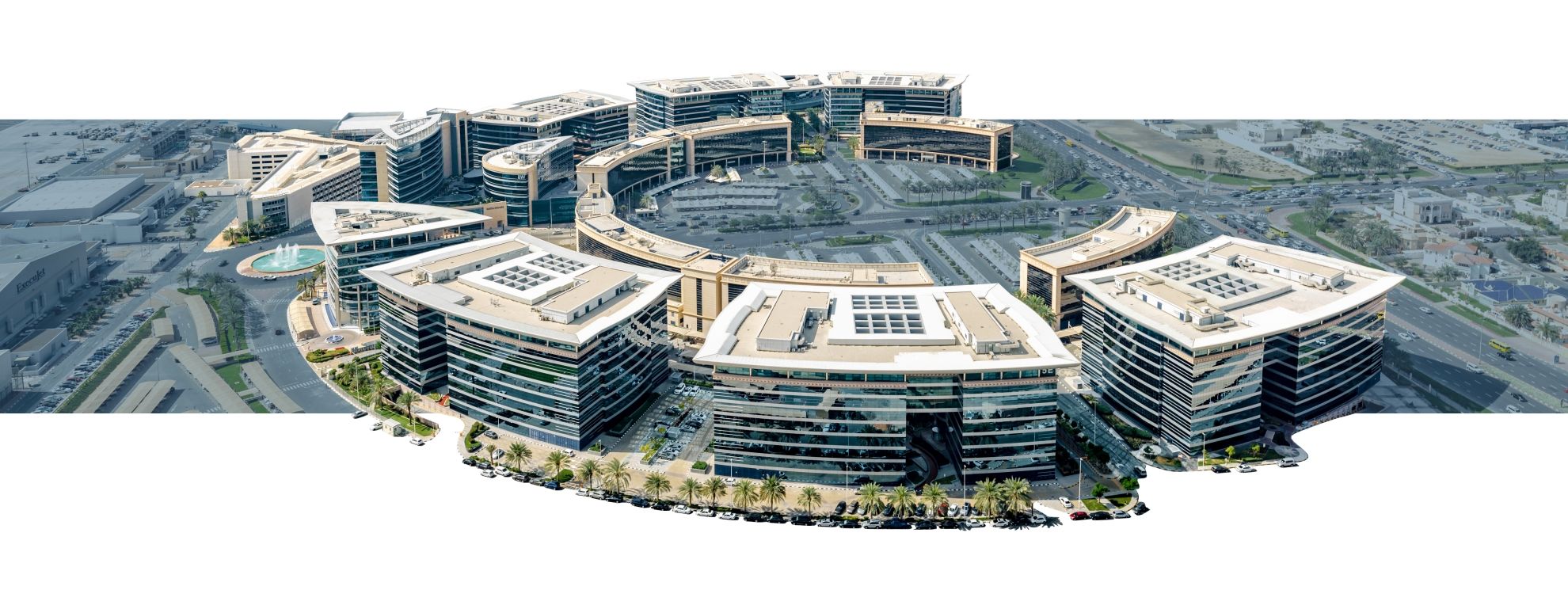
- Located directly adjacent to Dubai International Airport, one of the world's busiest air hubs
- Operated by the Dubai Airport Free Zone Authority, with a company base spanning more than 20 sectors
Who is it for?
- Trading companies, freight forwarders, and logistics operators
- Businesses in aviation, aerospace, and air cargo that benefit from airport proximity
- Service, consultancy, and e-commerce businesses of any size
- Companies looking to combine free zone ownership with limited mainland access
Banking facilities available
- Corporate account setup with UAE and international banks
- Support in preparing the documentation banks require for account opening
DAFZA freezone activities
- Trading, service, industrial, and e-commerce activities across a wide activity list
- Multiple activities can often be combined under a single license, depending on category
Business Advantages
- 100% foreign ownership
- Full repatriation of capital and profits
- No currency restrictions
- Dual licensing option with Dubai's Department of Economy and Tourism for limited mainland activity
Visa Eligibility
- Visa allocation is based on office size and facility type
- Ranges from flexi-desk allocations up to larger quotas for office and warehouse tenants
- Companies completing a DAFZA business setup should select a facility that supports their expected staffing and visa requirements
Who Can Apply
- Open to individuals and corporate entities from any nationality
- No local sponsor or local partner required
- Suitable for startups, SMEs, trading companies, technology businesses, consultants, and international investors
Processing time
- Standard processing is typically a matter of working days once documents are submitted
- Timelines vary by license type and activity, and are confirmed at application stage
Required Documents
- Passport copies of all shareholders and directors
- Visa copy (if applicable)
- Completed application form
- Board resolution (for corporate shareholders)
- Business plan (if required)
- Proof of address
Freezone Cost Calculator
Estimate Your Setup Cost

Why DAFZA?
Why Businesses Choose DAFZA Freezone
Strategic Location
Operate beside Dubai International Airport for faster cargo movement and easier international travel.
Full Ownership
Eligible activities can be fully owned by foreign investors without a local equity partner.
UAE Tax Framework
Corporate Tax and VAT follow UAE regulations, with free zone treatment assessed case by case.
Government Services
Licensing, customs, visa, and administrative services are available within the free zone.
Mainland Option
Eligible companies may apply for a dual-licensing arrangement with mainland Dubai.
Established Since 1996
Nearly three decades of experience across government, banking, logistics, and international trade.
License Types
Types of Licence Offered
Trading License
For import, export, distribution, and storage of goods. Common among businesses dealing in electronics, luxury goods, perfumes, and general commodities. A DAFZA trading license is one of the most requested license types in the free zone.
Service License
For consultancy, management services, IT services, and other professional or advisory work. Suited to businesses that don't handle physical goods.
Industrial License
For light manufacturing, packaging, assembly, and product customization. Includes access to industrial plots and warehouse facilities.
E-commerce License
For businesses that sell goods or services through online channels. DAFZA provides an E-commerce Licence for online trading activities.
How it works
How to Setup a Business in DAFZA Freezone
Choose Activity
Select your business activity from DAFZA's activity list. This determines which license type you'll need.
Select License
Choose the appropriate license type trading, service, industrial, or e-commerce based on your activity.
Choose Space
Select the workspace that suits your business, such as a flexi desk, serviced office, private office, or warehouse, depending on your operational requirements.
Submit Documents
Provide the required documents, including passport copies, application forms, and a business plan where applicable.
Approval & Issuance
Once documents are verified, your license is issued and your DAFZA company is officially registered. After approval, your DAFZA company registration is completed, allowing you to proceed with banking, visas, and other operational requirements.
Infrastructure
Office and Infrastructure
Flexi Desk
A shared workspace option with access to meeting rooms and business lounges. Includes a limited visa allocation. Suited to startups and small teams that don't need a dedicated office
Office Space
Private, furnished or unfurnished offices within DAFZA's commercial buildings. Office sizes range from smaller units up to larger floor plates, with visa allocation scaling accordingly. This is a common choice for companies completing business setup in DAFZA with multiple employees or client-facing operations
Starting from AED 25,0000+ per year.
Warehouse Facilities
Light industrial units and warehousing built for manufacturing, storage, and distribution. DAFZA warehouse facilities are sized on request, with visa quotas based on unit size.
Compliance
Annual Renewal & Compliance
Have Questions?
Frequently Asked Questions About DAFZA

Grow Your Business With Tailored Free Zone Business Packages
Explore More
Explore Similar Free Zones

Dubai South Free Zone
Positioned right next to Al Maktoum International Airport, this free zone works particularly well for logistics, trading, aviation, and service businesses.
- From AED 12,500
- Same-day licensing
- Next to Al Maktoum Airport
