New Freezone Incentives—Up to 30% Fee Reduction for Startup
IFZA Dubai Company Formation
2018
Established
1000+
Business Activities
100%
Foreign ownership for eligible activities

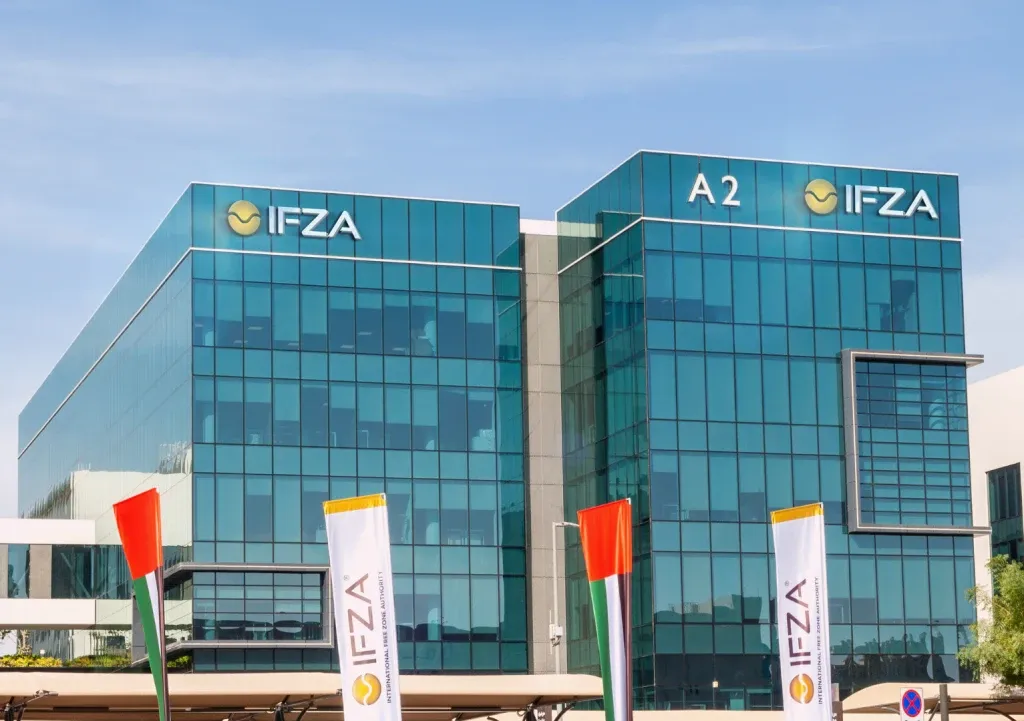
Business Overview
What You Should Know Before Setting Up in IFZA
What is IFZA?
- Dubai free zone authority for company formation and business licensing
- Commonly chosen by consultants, e-commerce businesses, startups, SMEs, and international investors
- Offers commercial, professional, industrial, and branch license options
Who is IFZA for?
- Entrepreneurs and startups
- International investors expanding to the UAE
- Freelancers, consultants, and service-based businesses
Business Activities Available in IFZA
- Consulting and professional services
- E-commerce and digital business activities
- Trading and approved commercial activities
Corporate Banking Support
- Businesses may apply for corporate bank accounts with UAE banks
- Bank approval is subject to KYC and compliance requirements
Visa Eligibility in IFZA
- Investor visas may be available
- Employee visas may be available
- Allocation depends on the selected package and workspace
Application & Approval Process
- Processing times vary based on the license type and submitted documents
- Additional approvals may be required for certain business activities
Why Many Businesses Prefer IFZA
- 100% foreign ownership for eligible activities
- Flexible license and workspace options
- Professional Dubai business address
- Suitable for startups and growing businesses
Who Can Apply?
- Individual investors (subject to UAE regulations)
- Foreign companies establishing a branch
- UAE companies expanding their operations
Documents Required for IFZA Company Formation
- Passport copy of shareholders
- Passport-size photograph
- Completed application form
- Corporate documents(if a company is a shareholder)
- Visa and Emirates ID copies
Freezone Cost Calculator
Estimate Your Setup Cost

Why IFZA
Why Businesses Choose IFZA Dubai
Flexible Business Setup
Choose the licence, workspace, and visa option that suits your business and allows room for future growth.
100% Foreign Ownership
Eligible business activities can be wholly foreign-owned without any sponsorship from a local company.
E-commerce Friendly
Suitable for online stores, online service providers, marketplaces and other internet-based businesses.
Professional Dubai Address
Access flexi desks, dedicated desks, and private offices in a recognized Dubai free zone.
Designed for Startups & SMEs
Perfectly suitable for start-ups, consultants, freelancers, and small companies entering the UAE market.
Scalable Structure
Establish the structure of your company in Dubai that can support regional operations and future expansion.
Business Licensing
IFZA License Options
Business License
For consulting, management, IT, marketing, education, trading, import, export, distribution, and other professional/commercial activities.
E-commerce Activities
For businesses selling products or services online through websites, marketplaces, or digital platforms.
Branch Registration
For UAE or foreign companies establishing a branch presence in IFZA.
Registration Process
How to Setup a Business in IFZA Freezone
Choose your business activity
Select the approved business activity that matches your planned operations and the services, trading, or e-commerce activities your company intends to carry out in IFZA Dubai.
Select your IFZA licence
Choose the appropriate IFZA licence, including Professional, Commercial, E-commerce, or Branch, based on your business model and operational requirements.
Choose a workspace
Select a flexi desk, dedicated desk, or private office according to your business size, visa requirements, and preferred working environment within IFZA.
Submit your documents
Submit the required shareholder and company documents, including passport copies and any additional corporate documents if they apply to your business.
Receive your IFZA incorporation documents
After the application is approved and the required fees are paid, IFZA issues the incorporation documents so you can move forward with the remaining business setup formalities
Workspace Solutions
Office & Workspace Options
Flexi Desk
Ideal for entrepreneurs and freelancers who need a registered business address and shared facilities.
Starting from AED 12,900
Dedicated Desk
A reserved workstation for businesses that require a more consistent professional workspace.
Starting from AED 12,900
Private Office
Furnished office space for businesses that need privacy, space for your team and meetings with clients.
Starting from AED 12,900
Business Compliance
License Renewal & Compliance
Have Questions?
Frequently Asked Questions About IFZA Freezone Dubai

Grow Your Business With Tailored Free Zone Business Packages
