New Freezone Incentives—Up to 30% Fee Reduction for Startup
DMCC Company Formation in Dubai
26,000+
Companies
150+
Countries
in 2002
Established
Quick Overview
What You Need to Know About DMCC
What is DMCC Free Zone?
- Government authority established in 2002
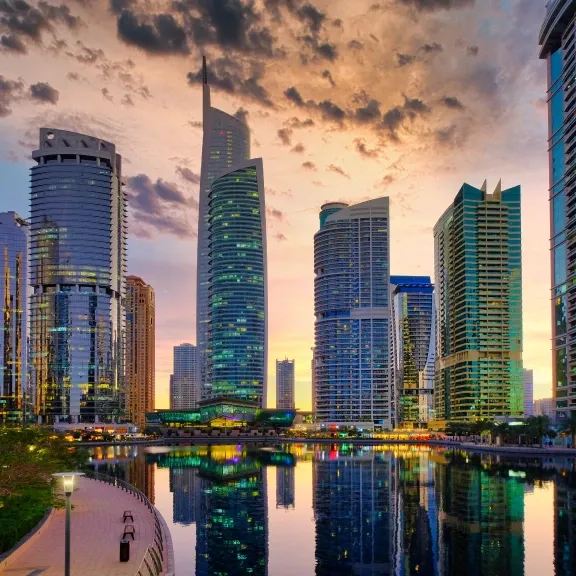
- Located in JLT and Uptown Dubai
- Focused on trading, technology, consulting, and international business
- Home to more than 26,000 companies from over 180 countries
Who chooses DMCC?
- Businesses involved in trading and distribution activities
- Companies dealing in technology and digital products
- Small and medium enterprises (SMEs)
- International companies expanding to the UAE
Business activities available
- Trading and general trading
- Consulting and professional services
- E-commerce and digital business activities
- Technology, software, and innovation-related activities
Why many businesses prefer DMCC
- 100% foreign ownership for eligible activities
- A professional Dubai business address
- Flexible office and workspace options
- Access to a large international business network
Documents required
- Passport copy of each shareholder and manager
- Recent passport-size photograph
- Proof of residential address
- Completed application form
- Business activity details
- Corporate documents (if a company is a shareholder)
Freezone Cost Calculator
Estimate Your Setup Cost

Why DMCC
Why Companies Choose DMCC
International Business Center
One of the well-known international business communities with organizations from more than 180 nations.
100% Foreign Ownership
Permitted business operations can be completely foreign-owned and no local sponsors are needed for that.
Professional Dubai Address
Conduct business from JLT or Uptown Dubai, which are popular business districts in Dubai.
Established Reputation
DMCC has a good reputation among investors, banks, suppliers, and international business partners.
Business Licensing
Choose the Right DMCC License
Commercial License
For commercial purposes, such as import, export, distribution, and trade.
Industrial License
For light industries, processing, assembling and certain industrial applications.
Professional License
Mostly for consultants, IT firms, marketing firms, management firms, educators, and others who offer professional services.
Branch Registration
Allows any existing firm either from the UAE or abroad to have a branch within the DMCC.
Registration Process
How to Set Up a Company in DMCC
Choose your business activity
Select the approved activity matching your planned operations.
Select the right license
Pick the DMCC license that fits your business model.
Submit your documents
Provide shareholder, ID, and company documents for review.
Receive incorporation documents
Once approved and fees are paid, DMCC issues your incorporation and licensing paperwork.
Business Facilities
Workspace Solutions in DMCC
Flexi Desk
Registered DMCC business address with shared workspace access and essential facilities. Best for startups, freelancers, and consultants.
Starting from AED 20,000+
Serviced Office
Fully furnished office with meeting rooms and administrative support. Best for SMEs and professional service businesses.
Starting from AED 35,000+
Private Office
Dedicated office space for teams, operations, and client meetings. Best for growing and established businesses.
Starting from AED 20,000+
Business Compliance
DMCC License Renewal & Compliance
Have Questions?
Frequently Asked Questions About DMCC

Grow Your Business With Tailored Free Zone Business Packages
